
Illustration-Verträge und Rechte: Vollständiger Leitfaden für Autoren
Navigieren Sie durch die komplexe Welt der Rechte an Buchillustrationen. Erfahren Sie mehr über Urheberrechtsbesitz, Lizenzgebühren und wesentliche Klauseln für Ihren Illustrationsvertrag.
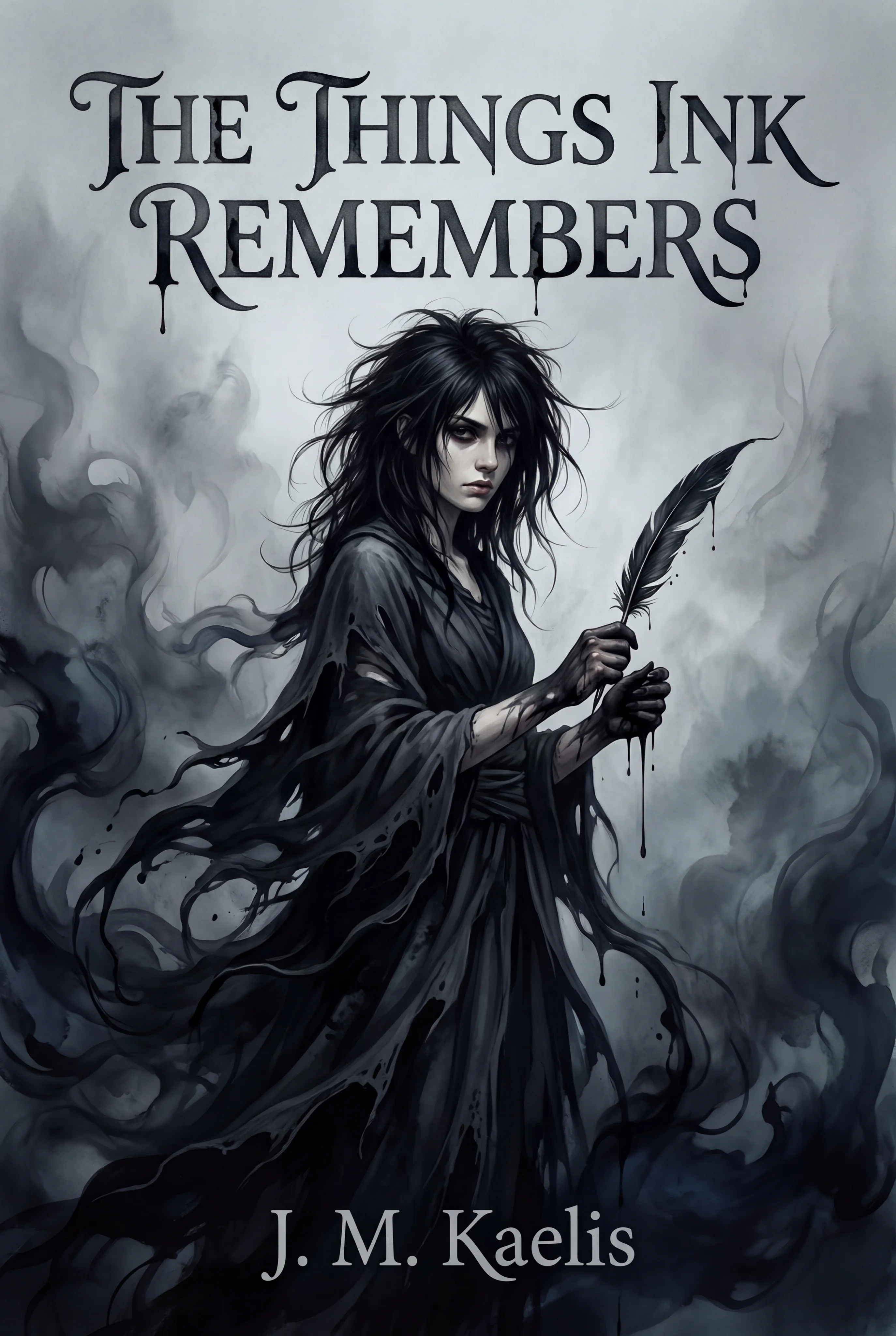
Getting your book illustrated is one of the most exciting stages of the publishing journey. Seeing your characters and world transform from text into visual art makes the project feel real in a way that words alone sometimes cannot. However, before the first sketch is drawn, there is a critical hurdle that many authors stumble over: the illustration contract for authors.
It is tempting to skip the paperwork, especially if you are working with a friend or a freelancer you found on social media. You might think a quick email agreement is enough. But without a solid contract, you are leaving yourself open to legal headaches, unexpected costs, and potentially losing the rights to use the very art you paid for. Understanding book illustration rights is not just about legal compliance; it is about protecting your investment and respecting the artist's livelihood.
In this comprehensive guide, we will walk you through everything you need to know about illustration contracts. We will demystify copyright laws, explain the difference between work-for-hire and licensing, and break down the essential clauses you need to include. whether you are looking for an illustrator contract template or just trying to understand the jargon, this guide will empower you to negotiate with confidence.
Understanding Copyright Basics for Authors
The most common misconception among authors is the idea that "if I pay for it, I own it." In the world of creative intellectual property, this is rarely the case. Understanding who actually owns the work is the foundation of a fair and functional contract.
Who Owns the Art?
By default, in the United States and many other jurisdictions, the creator of the artwork (the illustrator) automatically owns the copyright the moment the work is fixed in a tangible medium. This means that unless you have a written contract stating otherwise, the illustrator retains the legal right to control how that image is reproduced, displayed, and distributed.
When you hire an illustrator, you are typically not buying the artwork itself (the copyright). Instead, you are buying a license to use that artwork in specific ways.
Copyright vs. Physical Ownership
Owning the original physical painting or digital file is not the same as owning the copyright. You might possess the canvas, but the artist still holds the right to print that image on t-shirts, sell it as a poster, or license it to another author, unless your contract says otherwise.
According to legal experts, illustrators typically retain copyright to ensure they can continue to profit from their creative labor and maintain the integrity of their portfolio WriteSeen. For authors, this means your contract must explicitly state what rights are being transferred or licensed to you.
Work-for-Hire vs. Licensing
There are two primary ways to handle copyright in an illustration contract:
- Licensing (Standard Practice): The illustrator keeps the copyright but grants you specific permissions (rights) to use the work for your book. This is the industry standard for most trade publishing and freelance arrangements. It is generally more affordable for authors because you are only paying for the rights you need.
- Work-for-Hire (Assignment of Copyright): This is a legal status where the client (you) is considered the "author" of the work from the moment of creation. You own the copyright completely, and the illustrator has no claim to it.
While "Work-for-Hire" sounds appealing because it gives you total control, it comes with significant downsides. Experienced illustrators often refuse work-for-hire agreements or charge a premium fee (sometimes 200-300% of the standard rate) because they are permanently losing a revenue stream The Informed Illustrator.
Avoid Ambiguity
Never assume a project is "work-for-hire" just because you paid for it. In the US, a written instrument signed by both parties must explicitly state the work is "work made for hire" for it to legally qualify as such. Without this specific language, the copyright remains with the artist.
For most self-publishing authors, a broad exclusive license is the sweet spot. It secures the rights you need to publish and market your book without the massive price tag of a full copyright buyout.
The Anatomy of an Illustration Contract
A robust contract protects both parties by removing ambiguity. While you can find a generic illustrator contract template online, you need to customize it to fit the specific needs of your book project. Here are the non-negotiable components your agreement must include.
Leistungsumfang und Liefergegenstände
Eine der häufigsten Ursachen für Streitigkeiten ist ein vager Leistungsumfang. "Draw a cover" ist kein Leistungsumfang; es ist ein Rezept für Katastrophen. Ihr Vertrag muss detailliert beschreiben, was produziert wird.
- Menge: Genaue Anzahl der Illustrationen (z. B. 1 Vorderseite, 1 Rückseite, 10 Innenraum-Spotillustrationen).
- Stil und Medium: Aquarell, Vektor-Kunst, Kohle-Stil usw.
- Abmessungen: Spezifische Schnittgröße (z. B. 6x9 Zoll) plus Ausfallanforderungen.
- Dateiformate: Benötigen Sie eine geschichtete PSD, eine abgeflachte TIFF oder eine Vektor-EPS? (Hinweis: Illustratoren stellen selten Arbeits-Quell-Dateien zur Verfügung, es sei denn, dies wird separat vereinbart).
- Auflösung: Typischerweise 300 DPI für Druck und 72 DPI für Webnutzung.
Die Definition dieser Liefergegenstände verhindert "Scope Creep", bei dem das Projekt langsam über das ursprüngliche Abkommen hinauswächst, ohne zusätzliche Vergütung Mondaq.
Zeitpläne und Meilensteine
Fristen halten den Verlagszug auf den Schienen. Ihr Vertrag sollte einen Zeitplan umreißen, der Folgendes enthält:
- Konzept-/Skizzenphase: Wann die initialen Rohskizzen fällig sind.
- Überprüfungszeitraum: Wie lange der Autor hat, um Feedback zu geben (z. B. 3 Werktage).
- Endgültige Kunstlieferung: Die harte Frist für druckfertige Dateien.
Es ist klug, einen Puffer einzuplanen. Wenn Ihr Buchstart im November ist, setzen Sie die Endfrist für die Kunst nicht auf den 30. Oktober. Das Leben passiert, und kreative Arbeit erfordert oft zusätzliche Zeit.
Überarbeitungsrichtlinien
Überarbeitungen sind der Punkt, an dem Beziehungen oft kippen. Wenn ein Illustrator genau liefert, was Sie verlangt haben, aber Sie entscheiden, dass Sie die Pose des Charakters ändern möchten, wer bezahlt dann diese Zeit?
Standardverträge umfassen typischerweise 2 bis 3 Runden kleiner Überarbeitungen in der Skizzenphase. Sobald die endgültige Kunst in Arbeit ist, fallen Überarbeitungen normalerweise eine zusätzliche Gebühr an, es sei denn, der Illustrator hat einen Fehler gemacht (wie das Zeichnen eines Hundes statt einer Katze).
Seien Sie spezifisch bezüglich Überarbeitungsgebühren
Fügen Sie eine Klausel ein, die besagt, dass "Zusätzliche Überarbeitungen über die eingeschlossenen Runden hinaus zum Stundensatz von $X abgerechnet werden." Dies schreckt endloses Herumfummeln ab und stellt sicher, dass der Illustrator für zusätzliche Arbeit vergütet wird.
Umgang mit Nutzungsrechten und Lizenzierung
Dieser Abschnitt ist das Herz der Buchillustration-Rechte. Er definiert genau, was Sie mit der Kunst tun können. Die Kosten für Illustrationen hängen direkt davon ab, wie umfassend diese Rechte sind.
Die Variablen der Lizenzierung
Beim Verhandeln der Nutzung stellen Sie im Wesentlichen vier Regler ein:
- Medium: Wo kann das Bild erscheinen? (Hardcover, Paperback, E-Book, Hörbuch-Cover, Social Media, Lesezeichen).
- Territorium: Wo kann das Buch verkauft werden? (Nordamerika, Europa oder Weltweit).
- Dauer: Wie lange können Sie das Bild nutzen? (1 Jahr, 5 Jahre oder auf Dauer).
- Exklusivität: Kann der Illustrator dieses Bild an jemand anderen verkaufen?
Für ein Buchcover wollen Sie fast immer exklusive Rechte für das Buchprodukt selbst. Sie wollen nicht, dass ein anderer Autor Ihre Cover-Kunst verwendet. Allerdings könnten Sie dem Illustrator nicht-exklusive Rechte einräumen, das Werk in seinem Portfolio zu zeigen oder Drucke der Kunst zu verkaufen (solange es nicht mit Ihren Buchverkäufen konkurriert) Matt Paden Art.
Vergleich der Lizenztypen
Hier ist eine Aufschlüsselung, wie verschiedene Lizenzstrukturen Ihr Budget und Ihre Kontrolle beeinflussen:
| Lizenztyp | Schlüsselmerkmale | Kostenwirkung | Am besten für |
|---|---|---|---|
| Nicht-exklusiv | Der Illustrator kann die Kunst an andere weiterverkaufen. | Niedrig | Innere Spot-Kunst, Blog-Beiträge, Werbematerialien. |
| Exklusiv (Begrenzt) | Nur Sie können es nutzen, aber für eine festgelegte Zeit/Region. | Mittel | Erstauflagen, regionale Marketingkampagnen. |
| Exklusiv (Dauerhaft) | Nur Sie können es nutzen, für immer, weltweit. | Hoch | Buchcover, Hauptfiguren-Designs. |
| Vollständiger Kauf / Übertragung | Sie besitzen das Urheberrecht vollständig. | Premium | Unternehmenslogos, große Franchise-Assets. |
Nebenrechte
Vergessen Sie die Zukunft nicht. Wenn Ihr Buch ein Bestseller wird und Sie T-Shirts, Tassen oder eine Film-Adaption herstellen möchten, benötigen Sie Nebenrechte. Standard-Buchverträge decken in der Regel das Buch und seine Promotion ab. Merchandise-Rechte werden oft separat verhandelt oder beinhalten eine Tantieme, die an den Künstler für jedes verkaufte T-Shirt gezahlt wird NINC.
Zahlungsstrukturen und Tantiemen
Wie Sie zahlen, ist genauso wichtig wie wie viel Sie zahlen. Klare Zahlungsbedingungen verhindern peinliche Gespräche später.
Pauschalen vs. Vorschüsse
Für die meisten Self-Publishing-Autoren ist eine Pauschale die Standardvereinbarung. Sie zahlen einen festen Betrag für die Erstellung des Werks und die Lizenz zur Nutzung. Das ist einfach und klar.
Im traditionellen Verlagswesen oder bei hochkarätigen Illustrativen könnten Sie auf einen Vorschuss gegen Tantiemen stoßen. Das bedeutet, der Illustrator erhält eine Vorauszahlung (den Vorschuss) und verdient dann einen Prozentsatz der Buchverkäufe (Tantiemen), sobald der Vorschuss „verdient“ wurde.
- Cover-Kunst: In der Regel eine Pauschale ($500 - $3,000+ je nach Komplexität und Künstlerberühmtheit).
- Bilderbücher: Oft ein Vorschuss plus Tantiemen (typischerweise 50/50 mit dem Autor am Gesamttantiemensatz aufgeteilt) WriteSeen.
Zahlungspläne
Zahlen Sie niemals 100 % im Voraus. Ein standardmäßiger Zahlungsplan schützt Sie, falls der Künstler verschwindet (Ghosting), und schützt den Künstler, falls Sie kündigen.
- 50 % im Voraus: Nicht rückerstattbare Anzahlung zur Buchung des Termins.
- 50 % bei Lieferung: Bezahlt, wenn die finalen Dateien genehmigt sind, aber vor dem Versand der hochauflösenden Dateien.
Stornogebühren
Manchmal werden Projekte ohne Verschulden des Illustrators storniert. Vielleicht ist das Budget aufgebraucht, oder die Geschichte hat sich drastisch geändert. Eine Stornogebühren-Klausel stellt sicher, dass der Künstler für die Zeit bezahlt wird, die er für Sie reserviert hat.
- Bei Stornierung vor Skizzen: 25-50 % der Gebühr.
- Bei Stornierung nach Skizzen: 50-75 % der Gebühr.
- Bei Stornierung nach finaler Kunst: 100 % der Gebühr Matt Paden Art.
Warnsignale und Schutzmaßnahmen
Beim Überprüfen eines Illustrationsvertrags für Autoren achten Sie auf Klauseln, die unfair oder gefährlich sind.
Garantien und Freistellung
Sie benötigen eine Klausel, in der der Illustrator garantiert, dass seine Arbeit original ist und keine Urheberrechte Dritter verletzt. Das schützt Sie, falls der Illustrator versehentlich (oder absichtlich) die Arbeit eines anderen Künstlers kopiert.
Umgekehrt wird der Illustrator Sie auffordern, sie gegen Ansprüche freizustellen, die aus Material entstehen, das Sie bereitgestellt haben. Zum Beispiel, wenn Sie sie bitten, ein markengeschütztes Logo im Hintergrund einzufügen, sind Sie für die rechtlichen Konsequenzen verantwortlich, nicht sie Mondaq.
Moralische Rechte
In Europe and other regions, "moral rights" allow creators to claim authorship and object to derogatory treatment of their work. In the US, these can be waived in writing. Be careful about demanding a full waiver of moral rights without compensation, as this can be seen as aggressive. However, you do need the right to crop or resize the image for different book formats without being sued for "altering" the work The Illustrator's Guide.
Dispute Resolution
Litigation is expensive. Include a clause that requires mediation or arbitration before anyone can file a lawsuit. This keeps disputes private and usually much cheaper to resolve.
AI and Modern Contract Considerations (2025 Trends)
The rise of Generative AI has introduced new complexities to illustration contracts. As of 2025, clarity regarding AI is essential for both authors and illustrators.
AI Disclosure and Copyright
Under current US copyright guidance, purely AI-generated images cannot be copyrighted. If your illustrator uses Midjourney or DALL-E to generate the entire cover, you cannot own the copyright to it, and neither can they. This leaves your book cover in the public domain, meaning anyone else could legally use it.
Your contract should require the illustrator to:
- Disclose if any AI tools are used in the process.
- Guarantee that the final work contains sufficient human authorship to be copyrightable.
Hybrid Workflows
Many artists now use AI for mood boarding or texture generation. This is generally acceptable, but the contract must specify that the final deliverable is substantially human-created to ensure you have a protectable asset NINC.
Training Rights
A major concern for artists in 2025 is their work being used to train AI models without consent. Authors are also becoming aware of this. You might see clauses where the illustrator explicitly retains the "training rights" or forbids the author from uploading the work to generative AI platforms. Conversely, authors are pushing for clauses that prevent publishers from sub-licensing the book's art to AI companies for data mining Authors Guild.
How to Negotiate Like a Pro
Negotiation does not have to be adversarial. It is a conversation to ensure both parties succeed.
- Start with a Creative Brief: Before discussing numbers, share a detailed brief. It shows you are professional and helps the illustrator quote accurately.
- Prioritize Your Needs: If your budget is tight, ask yourself: "Do I really need worldwide merchandise rights right now?" You can often lower the fee by narrowing the license (e.g., North America only, book rights only) and negotiating an option to purchase more rights later if the book succeeds.
- Get It In Writing: Never rely on a handshake. Even a simple email chain is better than nothing, but a formal PDF contract signed by both parties is best.
- Consult a Professional: If you are dealing with a large advance or a complex project, hiring an IP attorney to review the contract is worth the investment. They can spot loop-holes you might miss UNC Library.
Conclusion
Navigating an illustration contract for authors might feel intimidating, but it is a vital skill for a serious self-publisher. By understanding the distinction between copyright ownership and licensing, clearly defining the scope of work, and addressing modern issues like AI, you protect your book and build a professional relationship with your creative partners.
Remember, a good contract is not about trapping the other person; it is about clarity. It ensures that when you finally hold your book in your hands, the only thing you have to worry about is how to celebrate.
If you are still in the early stages of visualizing your book and aren't ready to hire a professional illustrator yet, or if you need to create a visual creative brief to show an artist what you want, there are tools that can help bridge the gap.
Visualisiere deine Buchcover-Ideen noch heute
Kämpfst du damit, deine Vision einem Illustrator zu beschreiben? Nutze BookIllustrationAI, um hochwertige Entwurfs-Konzepte zu generieren. Es ist der perfekte Weg, mit Stilen zu experimentieren und eine visuelle Referenz für deinen professionellen Designer zu erstellen.
- ✓Unbegrenzt viele Entwurfs-Konzepte generieren
- ✓Mit verschiedenen künstlerischen Stilen experimentieren
- ✓Perfekt für kreative Briefing-Dokumente
Quellen & Referenzen
.jpg&w=2560&q=75)
.webp&w=2560&q=75)
.jpg&w=2560&q=75)