AI fantasy coloring pages
Generate magical fantasy coloring pages with mythical creatures, castles, and enchanted scenes.
Fantasy pages build layered scenes: a dragon coiled around a castle tower, a mage mid-spell, a forest that hides eyes in the leaves. The genre draws colorists who already read fantasy novels and play tabletop games, so they buy the world first and reward detailed, story-rich pages they can shade for hours.
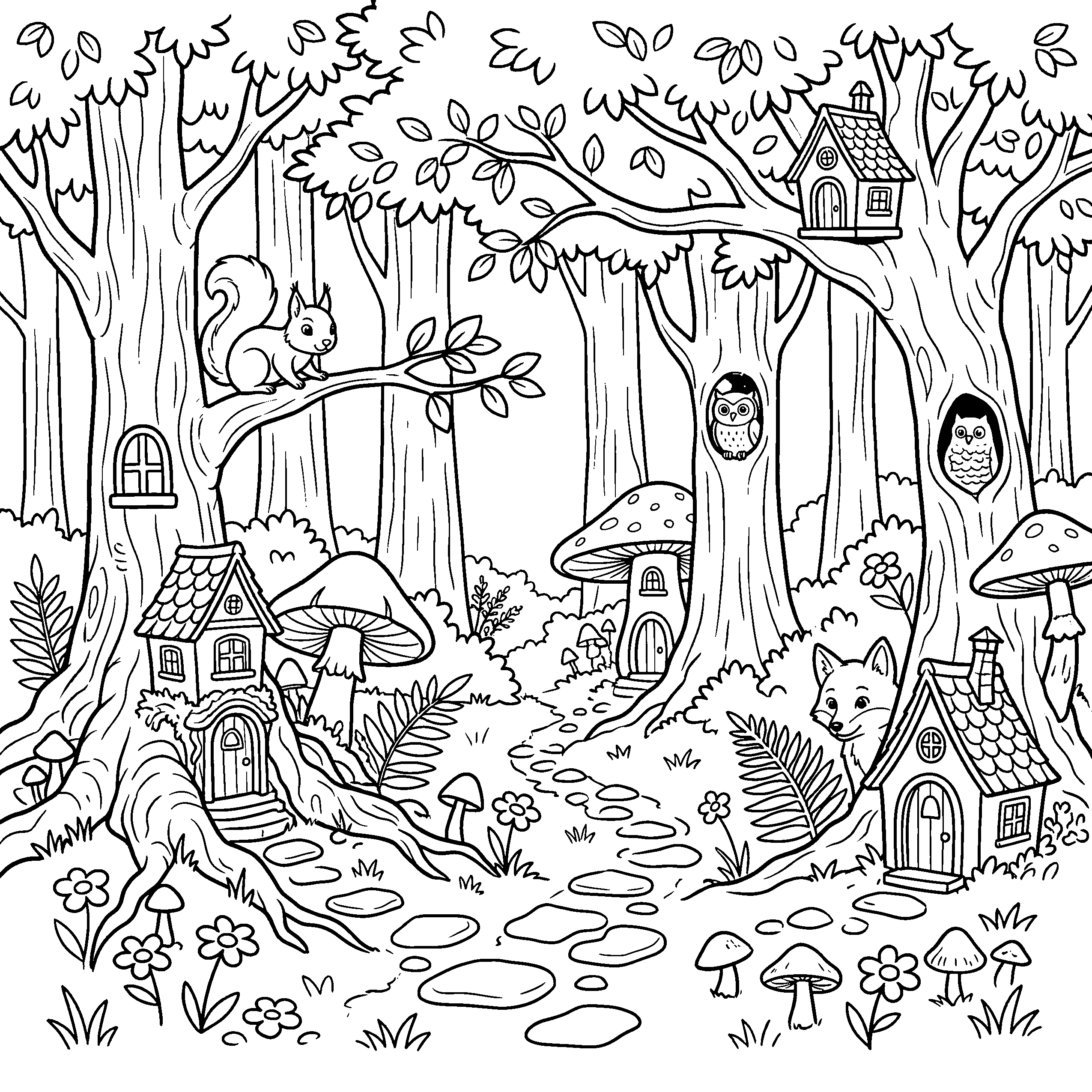
What defines fantasy coloring pages
- Dragons with textured scales and wings
- Spired castles and stone keeps
- Robed wizards and glowing runes
- Enchanted forests with twisted roots
- Potion shelves and open spellbooks
- Griffins, unicorns, and other beasts
Best for: Adult and teen fantasy fans who color with colored pencils or fineliners and want dense, shadeable detail, so it favors fine 1 to 2 px lines and busy compositions over open fill areas.
Fantasy coloring book ideas that sell on KDP
- Dragons of the four elements, one full-page beast per spread
- A wizard's tower explored floor by floor
- Fantasy map borders and heraldry to color
- Dark fantasy: cursed knights and ruined kingdoms
How to create fantasy coloring pages
- 1
Describe your theme
Enter a theme like "ocean animals" or "botanical garden" and select the fantasy style.
- 2
Preview and generate
See a preview page before committing. Then generate 30 to 120 pages in one batch.
- 3
Export for KDP
Download a print-ready PDF with correct bleed, trim size, and 300 DPI resolution.
Not sure how detailed to make the line art? The complexity selector maps your reader's age and coloring tool to an exact line weight, and the niche selection guide covers how to validate a fantasy niche before you commit.
Frequently asked questions
- Should a fantasy coloring book use fine or bold lines?
- Most fantasy buyers are adult hobby colorists who want to shade scales, stone, and fabric, so fine 1 to 2 px lines with internal detail suit them. If you target children with a fantasy theme instead, thicken the lines and cut the background detail, but keep those as separate books because the two audiences rate detail very differently.
- What sells better in a fantasy book, single creatures or full scenes?
- Both sell, but full scenes such as a dragon over a castle give colorists more to work with and read as higher value in the listing. A common structure alternates them: one hero creature on a clean page, then a dense scene, so the interior has pacing and does not feel repetitive.
- How do I keep a fantasy book from competing with every other dragon title?
- Pick a narrow angle instead of fantasy creatures in general. A book built around one sub-theme (ice dragons, a single wizard's journey, a named kingdom) has a tighter keyword and a clearer cover, which helps your BSR in a crowded category where generic titles get buried.